Adobe Reader DC is widely used for viewing, filling, and signing PDFs. Rolling it out and keeping it updated on many PCs can be time-consuming if done manually. Microsoft Intune’s Win32 app feature lets you deploy Adobe Reader DC (and other Win32 installers) to Windows 10 and Windows 11 devices from the cloud. With install and uninstall commands, detection rules, and optional dependencies.
This guide walks through the full flow: downloading the enterprise installer, wrapping it as an Intune Win32 package with the Microsoft tool, then uploading and assigning the app in Intune.
What You’ll Do
You’ll:
- Download the Adobe Reader DC enterprise installer from Adobe.
- Use the Microsoft Win32 Content Prep Tool to create an
.intunewinpackage. - Add the app in Intune as a Windows app (Win32), set install/uninstall commands and detection rules, then assign it to users or devices.
No imaging or on-prem infrastructure is required; the Intune management extension on the device handles the install.
Step 1: Download the Adobe Reader DC Installer
Get the enterprise installer from Adobe’s enterprise download page so you have a single executable to package.
Open https://get.adobe.com/reader/enterprise/ in your browser.
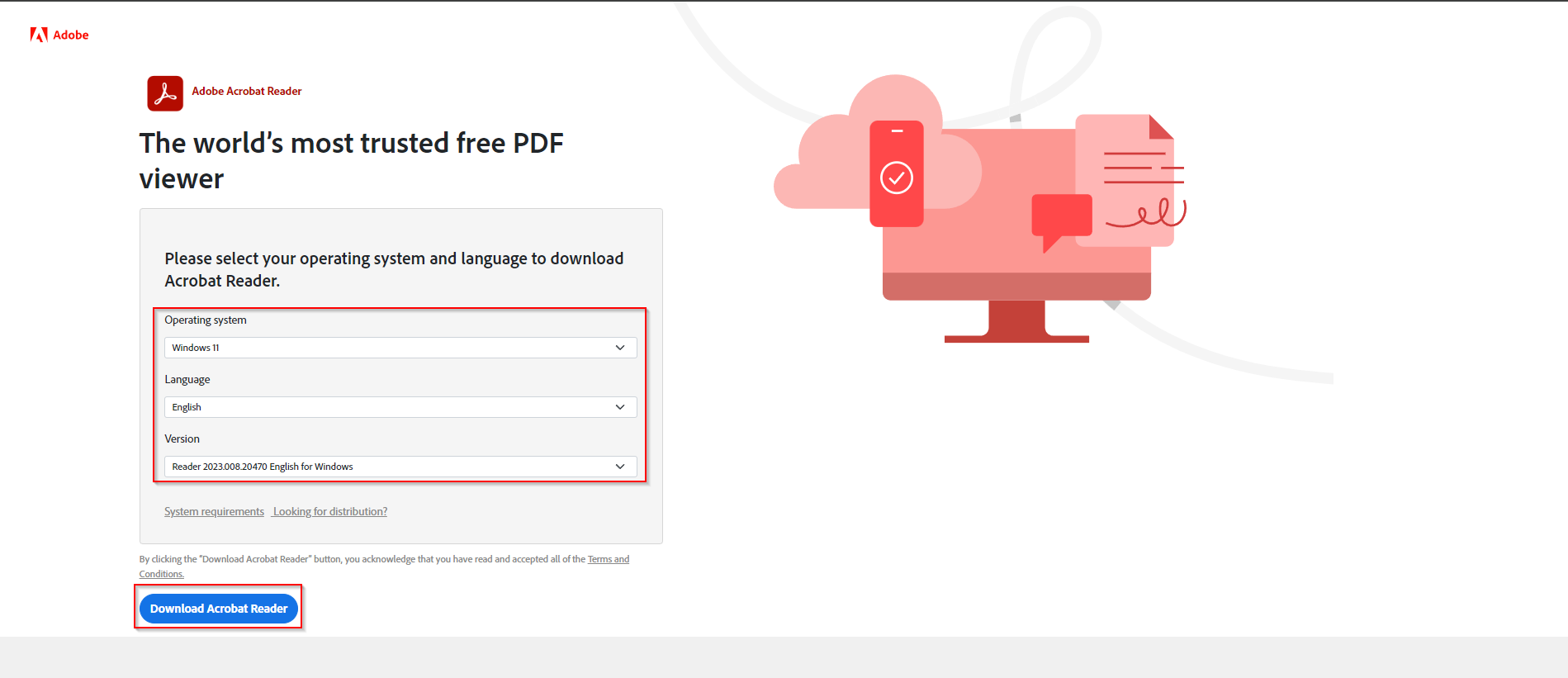
Choose the Operating system, Language, and Version from the table (e.g. Windows, English, latest).
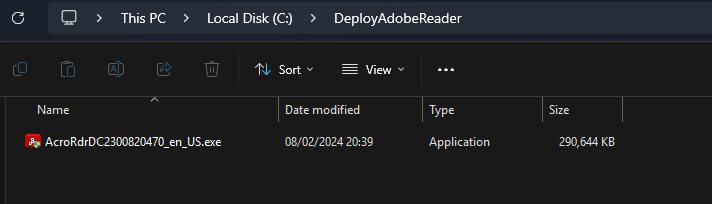
Click Download Acrobat Reader and save the file (e.g. AcroRdrDC2300820470_en_US.exe). The exact filename may vary by version.
Step 2: Create the Intune Win32 Package
Intune expects Win32 apps in the .intunewin format. Use the official Microsoft Win32 Content Prep Tool to wrap your installer.
- Create a folder for the source (e.g.
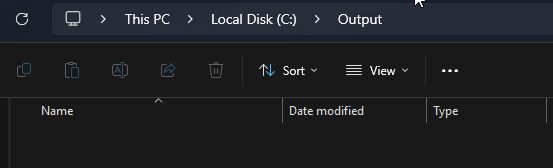
C:\DeployAdobeReader) and copy the downloaded executable into it. - Create an output folder (e.g.
C:\Output) where the tool will write the.intunewinfile.
Download and install the Microsoft Win32 Content Prep Tool from Microsoft’s documentation (search for “Win32 Content Prep Tool” or “IntuneWinAppUtil”).
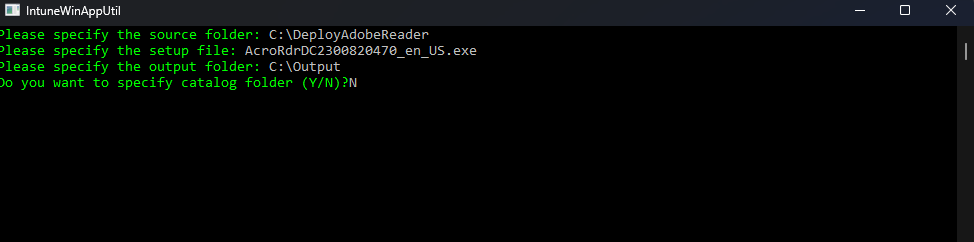
Run the tool and provide:
- Source folder:
C:\DeployAdobeReader(or your folder) - Setup file: The executable name (e.g.
AcroRdrDC2300820470_en_US.exe) - Output folder:
C:\Output(or your folder) - Catalog folder: No (unless you use one)
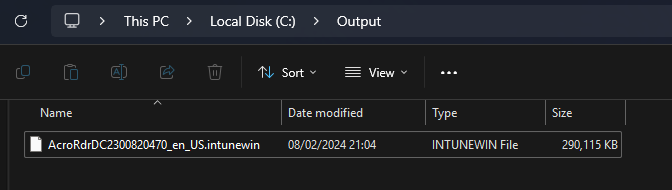
The tool generates an .intunewin file in the output folder (e.g. AcroRdrDC2300820470_en_US.intunewin). You’ll upload this file in the next step.
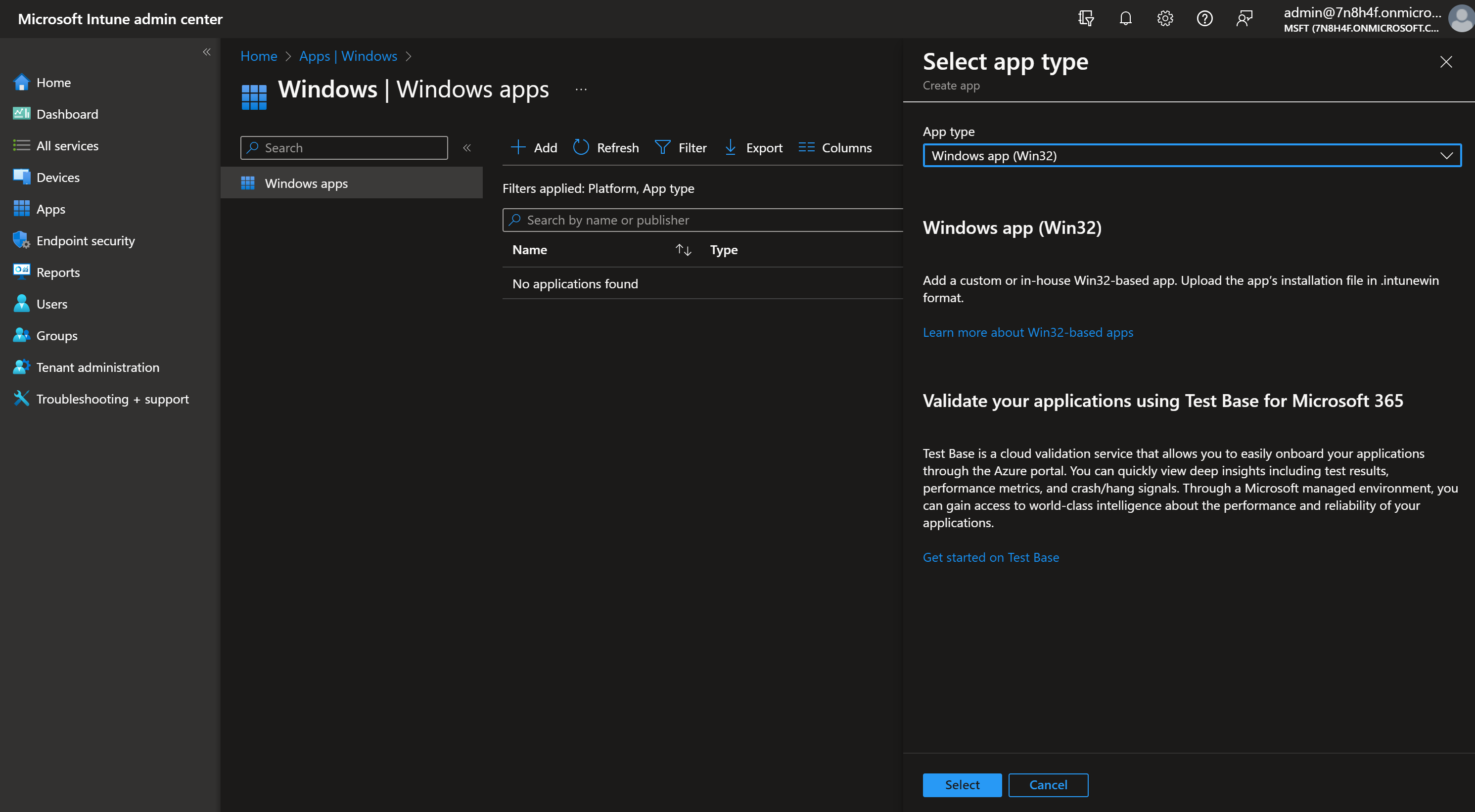
Step 3: Add and Deploy the App in Intune
In the Microsoft Intune admin center, go to Apps → Windows → Add. Choose App type: Windows app (win32), then Select.
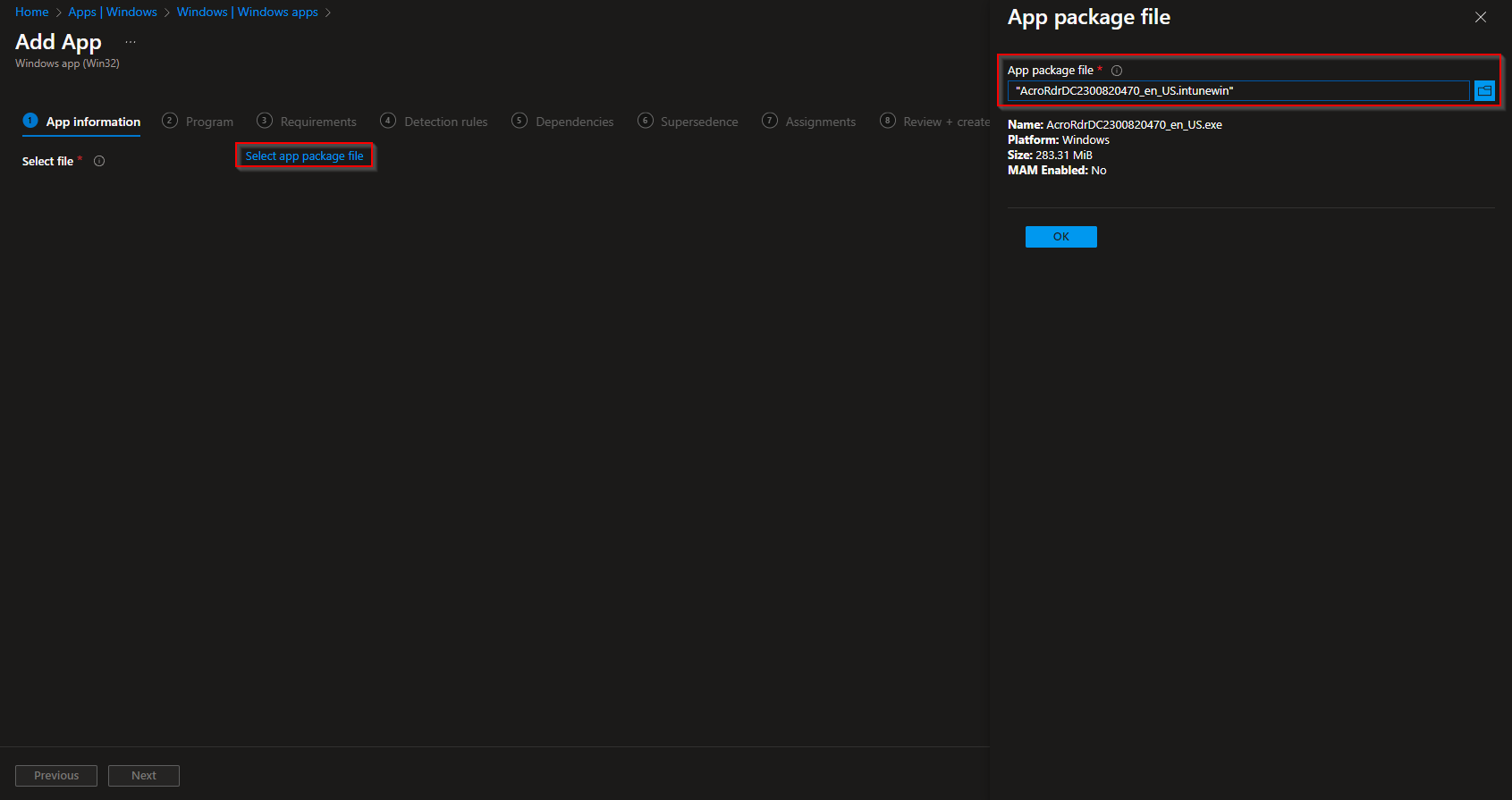
Under App package file, click Select app package file and upload the .intunewin file from your output folder. Click OK, then Next.
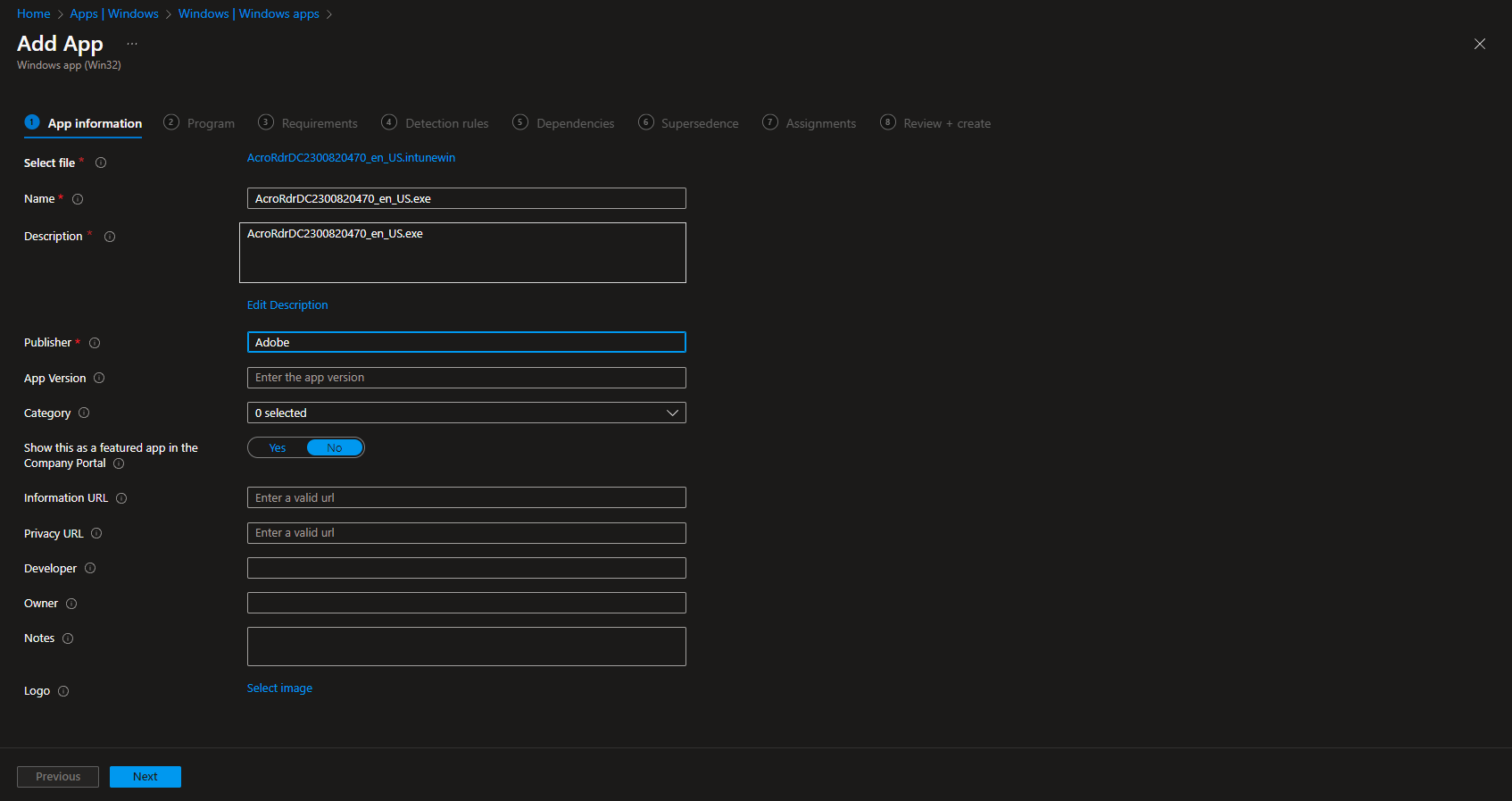
On the App information page, set name, description, and publisher (e.g. Adobe). Click Next.
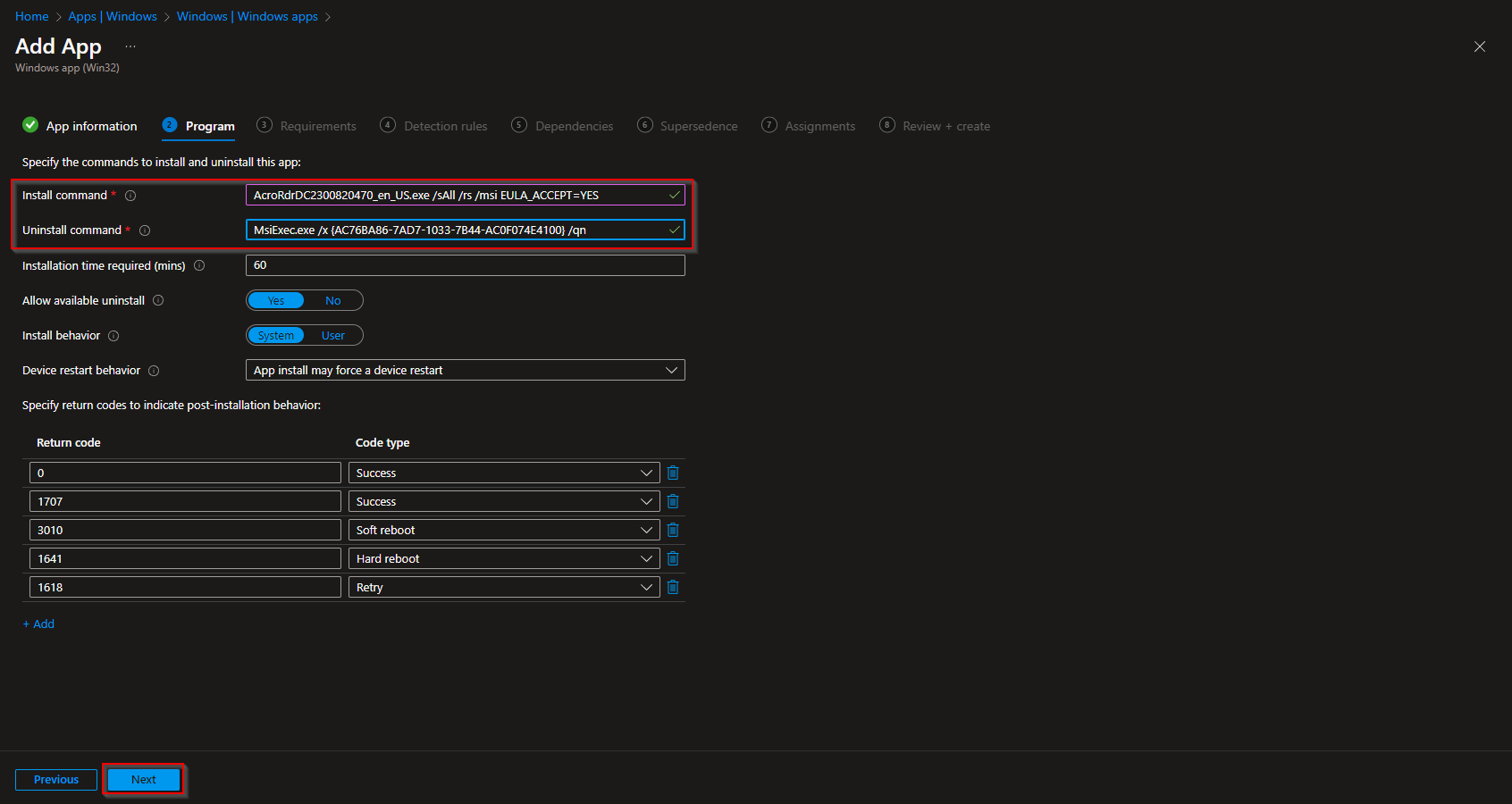
On the Program tab, set:
- Install command:
AcroRdrDC2300820470_en_US.exe /sAll /rs /msi EULA_ACCEPT=YES(adjust the executable name if yours is different) - Uninstall command:
MsiExec.exe /x {AC76BA86-7AD7-1033-7B44-AC0F074E4100} /qn - Allow available uninstall: Yes
- Install behavior: System
On Requirements, set the minimum OS (e.g. Windows 10 1607) and architecture (e.g. 64-bit). Click Next.
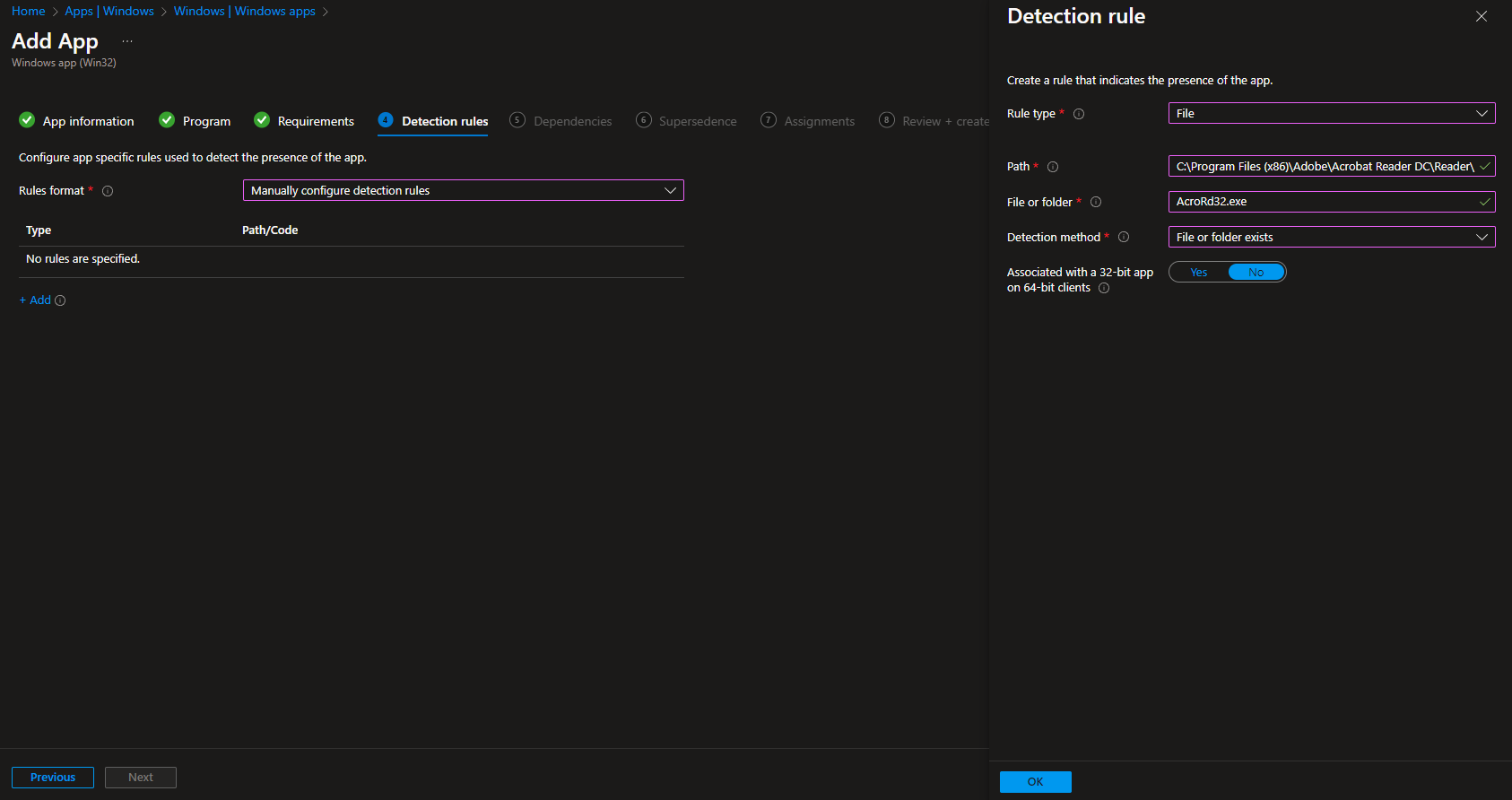
On Detection rules, add a rule so Intune can tell if the app is already installed:
- Rule type: File
- Path:
C:\Program Files (x86)\Adobe\Acrobat Reader DC\Reader\ - File or folder:
AcroRd32.exe - Detection method: File or folder exists
- Associated with a 32-bit app on 64-bit clients: No
Click OK, then Next. Configure Dependencies and Supersedence if needed, then Next.
On Assignments, add the groups (or All Users/All Devices) that should receive the app. Click Next, review on Review + create, then click Create.
Intune will sync the app to assigned devices and install it according to your install behavior and requirements.
Conclusion
You can deploy Adobe Reader DC to Intune-managed Windows devices by downloading the enterprise installer, packaging it with the Win32 Content Prep Tool, and adding it in Intune as a Win32 app with the right install/uninstall commands and detection rules. This gives you a repeatable, cloud-driven way to roll out and maintain Adobe Reader DC across your organization.